





Why Does Hair Color Turn Warm? Understanding Underlying Pigment and Sun Exposure
Have you ever looked at your hair in the salon, stepped outside, and noticed that it looks different?
That can happen even when your color hasn’t changed. Different lighting, shadows, and the way light reflects off your hair can make a shade look warmer, cooler, brighter, or deeper. Seeing a difference in another setting doesn’t automatically mean your color is wrong.
Why Does Hair Color Look Different in Different Lighting?
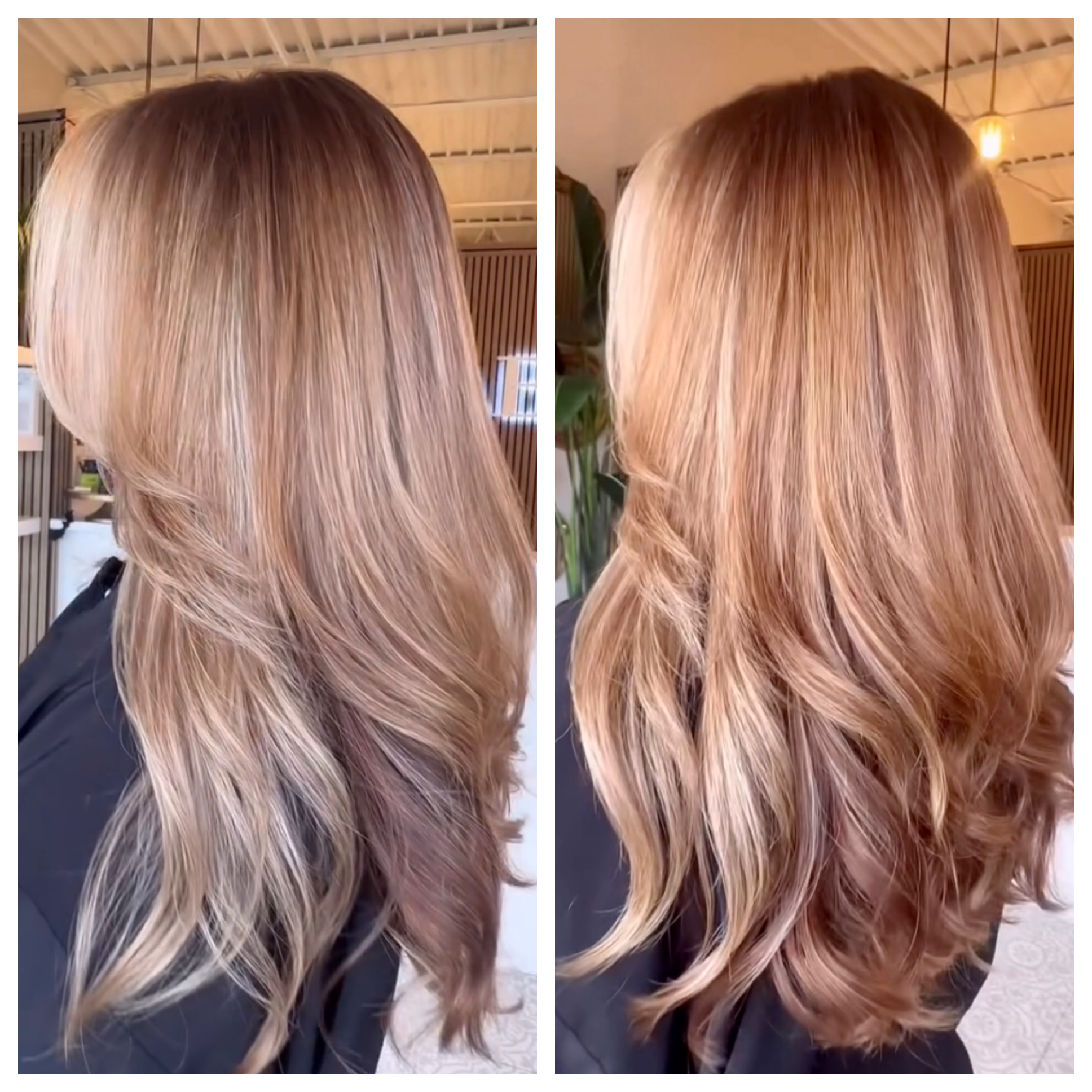
Hair reflects and scatters light. Sunlight, indoor lighting, and bathroom lighting each have different qualities, so they can bring out different parts of your hair color.
The direction of the light matters, too. A shadow can make part of your hair look deeper, while brighter light can make lighter pieces and dimension stand out. Smooth, shiny hair may reflect more light than hair with a curl or wave, which can also change how the color appears.
Photos can add another variable. A phone camera adjusts brightness and color to create an image, and filters can shift the result further. A photo can help show your stylist what you’re noticing, but it may not show your hair exactly as it looks in person.
Why Can Warmth Show in My Hair Color?
Hair has underlying pigment. When natural hair is lightened, some of that pigment becomes more visible. Depending on how light the hair is taken, the underlying tones may include red, orange, or yellow.
A stylist may use a cool or ash tone to counteract unwanted warmth. That doesn’t remove the underlying pigment; it helps balance how the color looks. If that cool tone softens or fades over time, warmth may become more noticeable.
That’s one reason two people can ask for the same blonde or brunette shade and see different results. Your starting color, previous color services, hair condition, and the amount of lightening all matter.
Does Seeing Warmth Mean My Color Is Wrong?
Not necessarily. A warmer appearance in one room or photo doesn’t tell the whole story. First, compare your hair in a few settings: the salon, indirect daylight, and the lighting you’re usually in at home.
If you’re still concerned, take a photo in the lighting where you notice the difference and show it to your stylist. We can look at the hair in person and talk through whether you’re seeing a lighting difference, warmth becoming more visible, or a change that may need attention.
Can Sun Exposure Change Hair Color?
Yes, sun exposure can change hair over time. That’s different from the immediate shift in appearance you may notice when you walk from indoors into sunlight. Research has found that exposure to solar radiation can change hair color, with lighter hair showing more noticeable changes in one study.
If you spend a lot of time outdoors in Southwest Florida, mention that to your stylist when discussing your color and home care. Your color plan should take your routine into account.
How We Assess Hair Color at Salon.B
At Salon.B in Naples, we consider your starting color, color history, hair condition, and the result you want. We also talk about how you wear your hair and the lighting you see it in every day.
The goal is to choose a color and maintenance plan that works for your hair and your life. If your hair looks different in another light, bring us a photo and tell us where you noticed it. That gives us a useful place to start
Frequently Asked Questions
Different light sources can emphasize different tones in your hair. Underlying pigment may also become more visible as a cool or ash tone softens over time.
Ash tones can counteract unwanted warmth, but they don’t remove the underlying pigment. The result depends on your starting color, how light the hair is, and the color formula used.
Not necessarily. Photos can be affected by lighting, camera settings, and filters. Your starting color and hair history also affect what’s achievable.
Both can happen. The light can change how your hair looks right away, while sun exposure can contribute to color changes over time.
Take a photo in the lighting where you notice the difference and show your stylist. They can assess your hair and discuss whether anything needs to be adjusted.
Different light sources and shadows change how light reflects off hair, making color appear warmer, cooler, brighter, or deeper. Hair also has underlying pigment that may become more visible when it is lightened or when a cool tone fades. A different appearance in one light doesn’t automatically mean the color is wrong; sun exposure can also change hair color over time.