



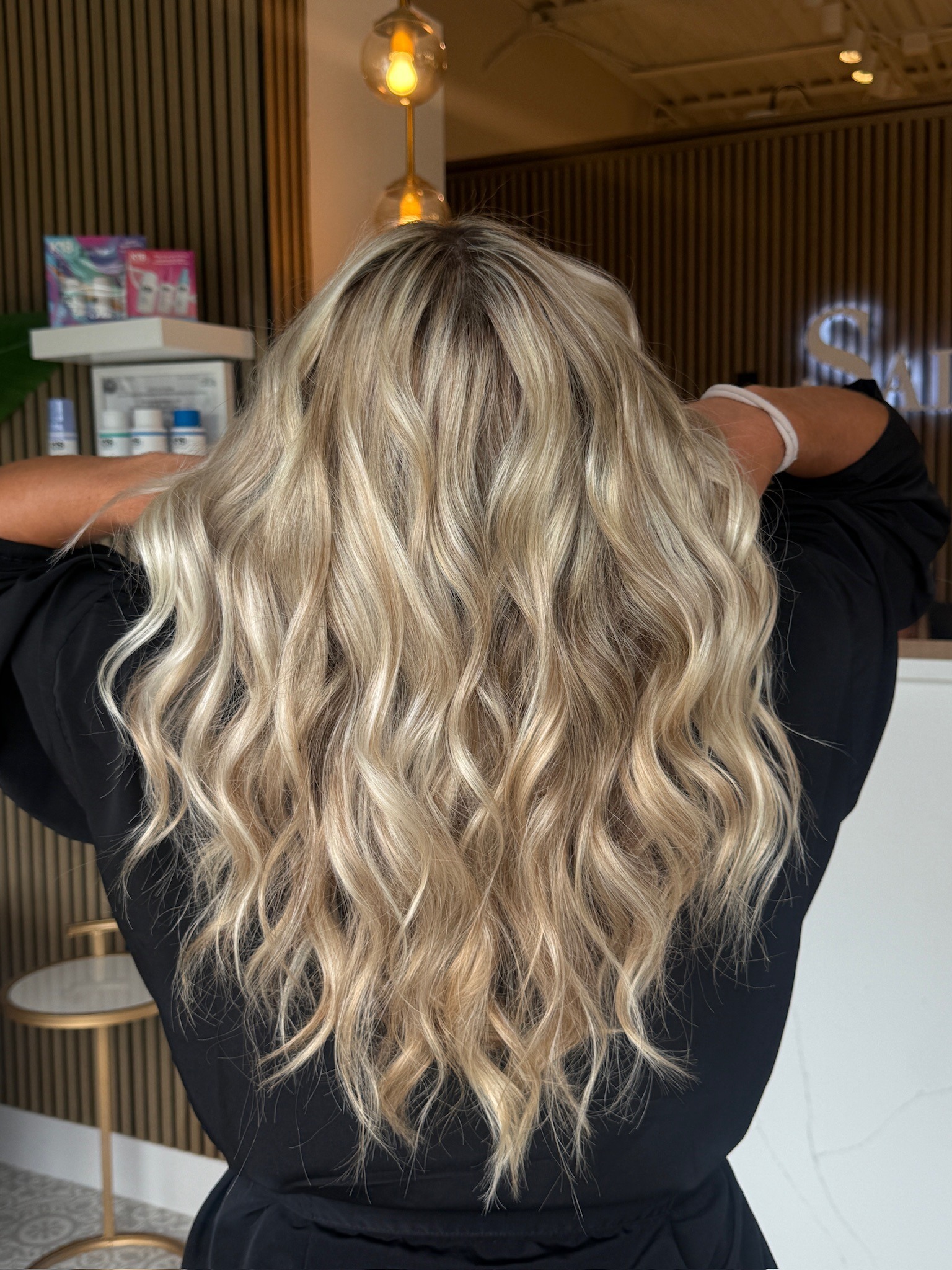
https://salonbnaples.com/wp-content/uploads/2026/11/Video-4.mov Different Shades of Blonde: Which Blonde Is Right for You? Blonde isn’t just one shade. Some clients picture a warm honey blonde; others want a cooler, brighter blonde or something soft and beige. Even when two clients both ask for “blonde,” they may have very different looks in mind. At Salon B in Naples, we look at the shade you like, your current hair color, your hair’s history and condition, and the kind of upkeep that works for you. Skin undertone can help guide the conversation, but it doesn’t decide your blonde for you. Make an Appointment What’s the Difference Between Warm, Neutral, and Cool Blonde? Warm blondes have more golden, honey, or buttery tones. Cool blondes lean toward ashier, icier, or softer beige tones. Neutral blondes sit between the two. These words are a starting point. Blonde shade names can vary, and the final look also depends on your starting color and how the light pieces are placed. A Few Blonde Shades to Consider Honey blonde Honey blonde has a warm, golden feel. It can be a lovely choice if you want blonde with softness and warmth. Caramel blonde Caramel blonde is a deeper, richer blonde with warm tones. It can add brightness and dimension while keeping a little more depth in the overall look. Golden blonde Golden blonde brings noticeable warmth and shine. If you like a sunnier blonde, this may be a shade to discuss with your stylist. Champagne blonde Champagne blonde often has a balanced mix of beige and cooler tones. The exact result can be adjusted to feel softer, warmer, or cooler. Beige blonde Beige blonde is a neutral option for someone who wants a balance between warm and cool. It can be customized depending on the tones already in your hair. Sandy blonde Sandy blonde usually has a softer, more muted look. It can be a good reference if you like a natural-looking blonde without a strong golden or icy finish. Buttery blonde Buttery blonde has a creamy, warm quality. It’s brighter than some deeper blondes, while still keeping warmth in the tone. Icy blonde Icy blonde is a cooler, very light blonde. Getting there may take more than one appointment, depending on your starting color, previous color services, and hair condition. Which Blonde Works Best With Your Skin Tone? Skin undertone can help us decide whether to start with warmer, cooler, or more neutral blonde tones. For example, golden or honey shades may appeal to someone who likes warmth, while beige or cooler tones may feel more at home for someone who prefers a softer, cooler look. But there isn’t one blonde that everyone with the same skin tone should wear. The way a shade is placed, how light or deep it is, your natural color, and what you like all matter. During a consultation, we can look at those details together and talk through what feels right for you. What Should I Bring to a Blonde Consultation? Bring a few photos that show blonde shades you like, including examples of what you don’t like. It helps us see whether you’re drawn to warmth, brightness, contrast, or a softer blend. We’ll also talk about your hair’s color history and condition, how light you want to go, and how often you’re comfortable coming in for maintenance. If you’ve colored your hair at home or had previous salon color, let your stylist know. That history can affect the plan and timing. Which Blonde Is Best for You? The best blonde is the one that fits your hair, your preferences, and the upkeep you’re comfortable with. A consultation gives us a chance to look at your starting color and condition before recommending a shade or a plan. Make an Appointment Frequently Asked Questions What are the main types of blonde hair color? Common blonde shades include honey, caramel, golden, champagne, beige, sandy, buttery, and icy blonde. They differ in warmth, depth, and brightness. Which blonde is best for warm skin undertones? Honey, golden, buttery, or caramel tones may be a helpful place to start if you like warmth. Your stylist can adjust the shade and placement to suit your overall look. Which blonde is best for cool skin undertones? Beige, sandy, champagne, or cooler blonde tones may be a helpful place to start if you prefer a cooler finish. The right choice still depends on your hair and the look you want. Can anyone go icy blonde in one appointment? Not always. The number of appointments depends on your starting color, color history, and hair condition. Your stylist can talk through a realistic plan during a consultation. Is blonde hair high maintenance? It depends on the shade, placement, and how noticeable you want regrowth to be. Your stylist can explain the upkeep for the look you choose. How do I choose the right shade of blonde for me? Start with the blonde tones you’re drawn to—warm, neutral, or cool. Then consider your current hair color, color history, hair condition, skin undertone, and preferred maintenance. A stylist can use those details to recommend a shade and plan that fit your hair and goals.
Category: Color Services
Why Hair Color Looks Different in Different Lighting | Salon B Naples
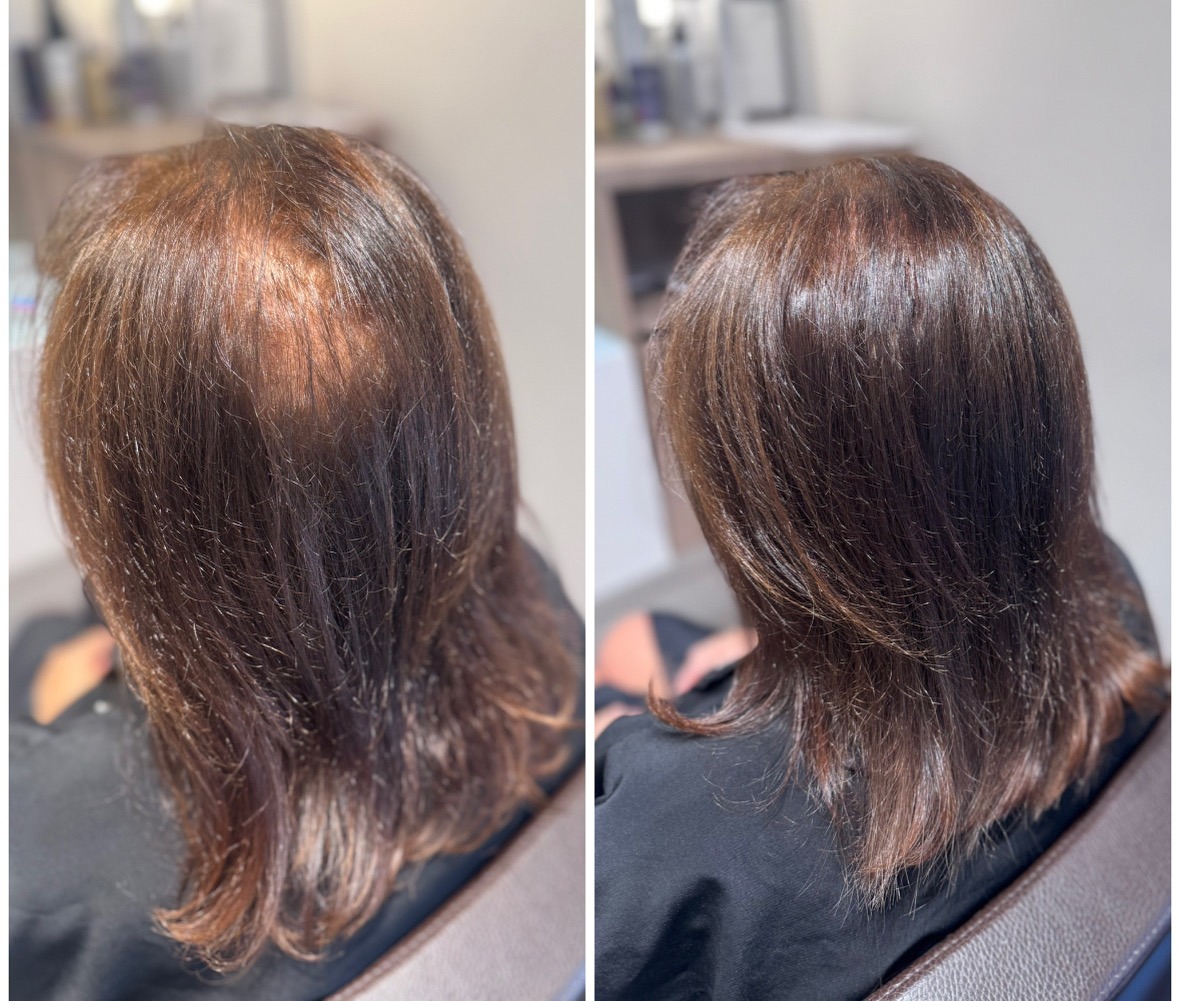
https://salonbnaples.com/wp-content/uploads/2026/11/Salon-B-1.mov Why Does Hair Color Look Different in Different Lighting? Have you ever looked at your hair in the salon, then stepped outside and thought, “Why does my color look different?” The same hair color can look warmer, cooler, brighter, or deeper depending on the light around you. That doesn’t necessarily mean your color has changed. Different lighting can bring out different tones and dimension. Make an Appointment Why Does Lighting Change the Way Hair Color Looks? Sunlight, indoor lighting, and bathroom lighting don’t show color in exactly the same way. Some lights bring out warmth, while others can make a shade look cooler or softer. Your hair’s texture and finish matter, too. Smooth, shiny hair reflects light differently than curls or waves. That can change how much dimension you notice, even when the color itself is the same. Photos can be misleading as well. Phones adjust color and brightness automatically, and filters can shift the way a shade looks. An inspiration photo is helpful for showing us what you like, but it can’t show exactly how that color will look on your hair. What If My Color Looks Different at Home? Before deciding that something is wrong, look at your hair in a few kinds of light. Try near a window during the day, then check again under your usual indoor lighting. If you take photos to compare, use similar lighting each time. If you’re still concerned, show your stylist a photo taken in the lighting where you notice the difference. It gives us a better starting point for understanding what you’re seeing and deciding whether your color needs an adjustment. Can Sunlight Change My Hair Color? Lighting can change how your color appears right away. Sun exposure can also contribute to fading over time. Those are different things, so it helps to look at your color in more than one setting before deciding what’s going on. How We Choose a Color That Works for You At Salon B, we talk about your color goals, your starting point, and how you want your hair to look in everyday life. We also consider your hair’s condition and color history before recommending a service. A photo helps us understand the look you’re drawn to. A consultation lets us talk through what may work for your hair and what kind of maintenance to expect. The goal is to choose a color plan that makes sense for you, not just one that looks good in a single photo. Make an Appointment Frequently Asked Questions Why does my hair color look warmer indoors? Some indoor lights bring out warmer-looking tones. Check your hair in natural light as well, and ask your stylist if you’re unsure whether you’re seeing a lighting difference or a change in tone. Should I judge my color from one photo? One photo may not show the color accurately. Phone settings, filters, and the light in the room can all affect how the shade appears. Does my hair color actually change in sunlight? It can look different as soon as you step into another light. Sun exposure may also contribute to fading over time. What should I do if I’m unhappy with how my color looks? Take a photo in the lighting where you notice the difference and show it to your stylist. They can assess your hair and discuss whether an adjustment makes sense. Why does hair color look different in different lighting? Hair color can look warmer, cooler, brighter, or deeper depending on the light around it. Sunlight, indoor lighting, hair texture, and phone camera settings can all affect how the color appears. If you’re unsure whether your color needs an adjustment, compare it in a few kinds of light and ask your stylist to assess it.
Which Keratin Complex Treatment Is Right for You? | Naples FL
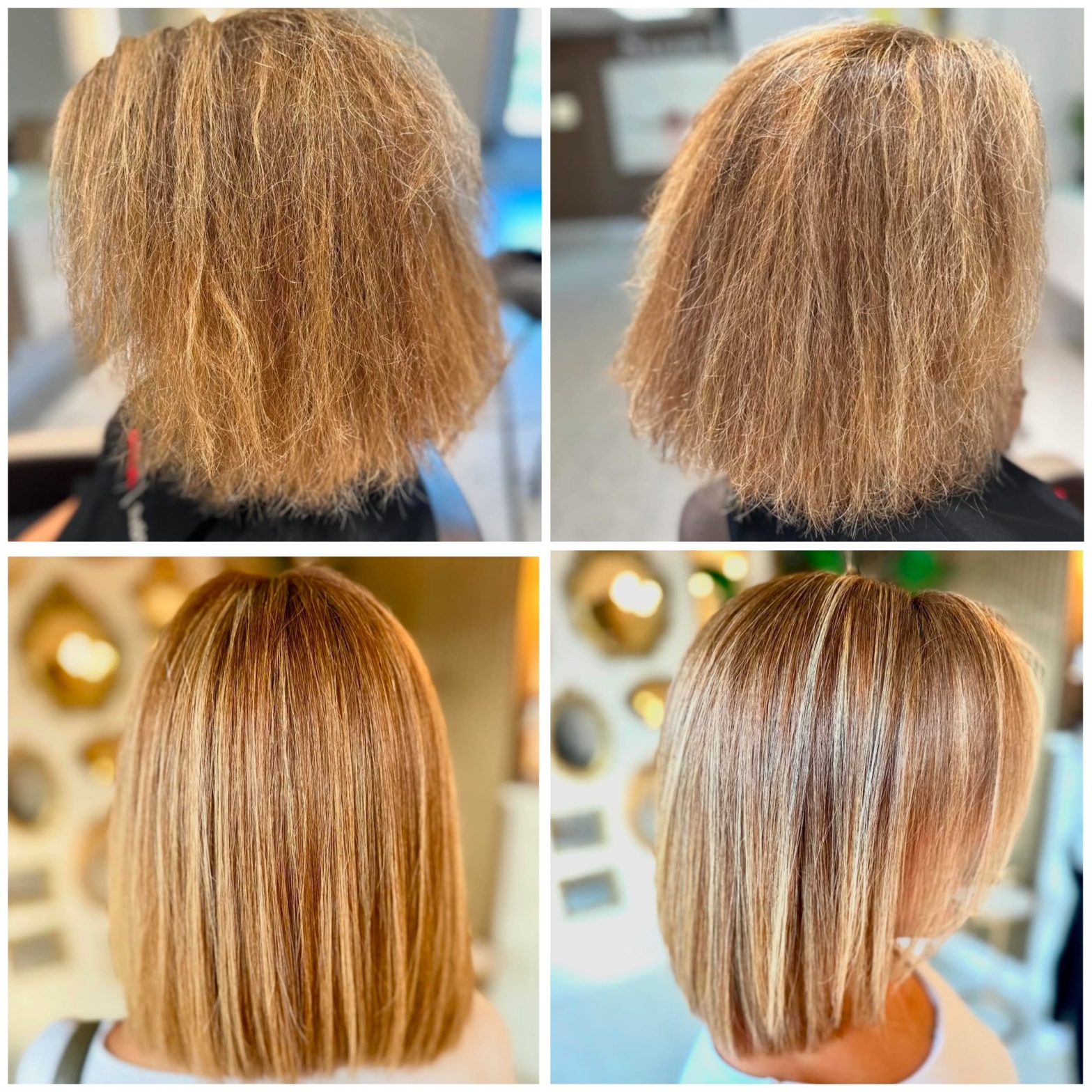
Which Keratin Complex Treatment Is Right for Your Hair? If you live in Naples, you already know what humidity can do to hair. Frizz, puffiness, longer blow-dry time, and hair that feels harder to control are some of the biggest reasons clients ask us about keratin treatments. At Salon B, we use Keratin Complex and offer four smoothing options: KCEXPRESS, NKST, NKSTB, and KCMAX. They are not all the same, and the strongest treatment is not automatically the best treatment. The right choice depends on your hair type, condition, amount of frizz, how straight or smooth you want the hair to feel, and how long you want the results to last. Make an Appointment KCEXPRESS: Quick, Shorter-Term Smoothing KCEXPRESS is the quickest option we offer. It is a 15-minute smoothing and anti-frizz treatment with results that can last up to 6 weeks. It can be a good option if you: Want help controlling frizz Want smoother, shinier, easier-to-manage hair Regularly color or highlight your hair Want a shorter-term smoothing option Want to try keratin before committing to a longer-lasting treatment When can you wash your hair? KCEXPRESS can be shampooed 8 hours after the treatment. NKST: Our Classic Longer-Lasting Smoothing Treatment NKST stands for Natural Keratin Smoothing Treatment. This is Keratin Complex’s signature smoothing treatment and can last up to 5 months. It is designed to reduce frizz, improve softness and shine, help with humidity, and make the hair easier to manage at home. This is a good option for clients who want longer-lasting smoothing without choosing the strongest system. One ingredient question clients ask us often is about formaldehyde. Keratin Complex states that NKST does not contain formaldehyde or methylene glycol. We keep that statement specific to NKST rather than applying it to the entire product line. When can you wash your hair? After NKST, the hair should stay dry and should not be traditionally shampooed for at least 72 hours. During that period, avoid ponytails, clips, pins, or anything that may leave an indentation in the hair. NKSTB: Not Just for Blondes NKSTB is often associated with blonde hair, but it is not only for blondes. It can also be a very good option for fine, fragile, damaged, overprocessed, gray, or silver hair. NKSTB can last up to 5 months and is useful when we want smoothing benefits while being mindful of more delicate hair. We may recommend it for someone with: Fine or fragile hair Heavily highlighted hair Overprocessed hair Blonde, gray, or silver hair Frizz that needs smoothing without automatically using the strongest treatment When can you wash your hair? Like NKST, the hair should stay dry and should not be traditionally shampooed for at least 72 hours. Avoid clips, pins, and ponytails during that time. KCMAX: For Stronger Smoothing KCMAX is Keratin Complex’s strongest smoothing system. It is designed for clients who want a smoother, straighter result and can last up to 3 months. We may consider KCMAX for someone who: Has significant frizz Wants a straighter finish Wants stronger smoothing Struggles with daily styling and manageability When can you wash your hair? KCMAX should remain in the hair for 24 hours before rinsing. Will Keratin Completely Straighten My Hair? Not necessarily. Keratin Complex treatments are smoothing services, not permanent straightening treatments. Depending on the treatment, they can reduce curl, soften frizz, help with humidity, and make the hair much easier to manage while still allowing natural movement or curl. That is why we always ask what result you actually want. Some clients want to keep their curl but control the frizz. Others want a much smoother, straighter finish. The treatment needs to match that goal. What About Baby Hairs and New Growth? This is important, especially for clients with short hair or a lot of regrowth around the crown. Keratin only treats the hair that is present at the time of the service. New hair will continue to grow in with your natural texture. If you have short new-growth hairs or baby hairs, they may still curl, stand up, or look frizzy even when the rest of the hair feels smooth. This can also be more noticeable after periods of shedding when a lot of new hair begins growing back. That does not automatically mean the keratin stopped working. Think of keratin as a manageability service. The goal is to make the hair smoother, easier to style, and less affected by frizz and humidity—not to permanently eliminate every curl, wave, or new-growth hair. How Long Do the Treatments Last? Keratin Complex lists the following results: KCEXPRESS: up to 6 weeks NKST: up to 5 months NKSTB: up to 5 months KCMAX: up to 3 months The words up to matter. Longevity depends on your hair, how often you wash it, your home-care routine, how quickly your hair grows, and the products you use. Your At-Home Products Matter Your keratin service does not end when you leave the salon. To help the treatment last as long as possible, we recommend using the Keratin Complex shampoo and conditioner recommended for your specific treatment. The right aftercare helps protect the investment you just made in your hair and helps keep it smoother and easier to manage for longer. At Salon B, we will tell you exactly when you can wash your hair and which Keratin Complex home-care products you should use after your service. Which Keratin Treatment Is Best for You? There is no one treatment that is right for everyone. Someone with fine, highlighted hair may need a completely different approach from someone with coarse, resistant frizz who wants a straighter result. Before recommending a treatment, we look at: Hair texture Hair condition Color and chemical history Amount of frizz Desired level of smoothness How much curl you want to keep Desired longevity Home-care routine The best keratin treatment is the one that fits your hair and your expectations. Keratin Treatments in Naples, Florida At Salon B, we offer multiple Keratin Complex treatments because different hair needs different solutions. … Continue reading Which Keratin Complex Treatment Is Right for You? | Naples FL
Patchy or Too-Dark Hair Color? | Color Correction Naples FL
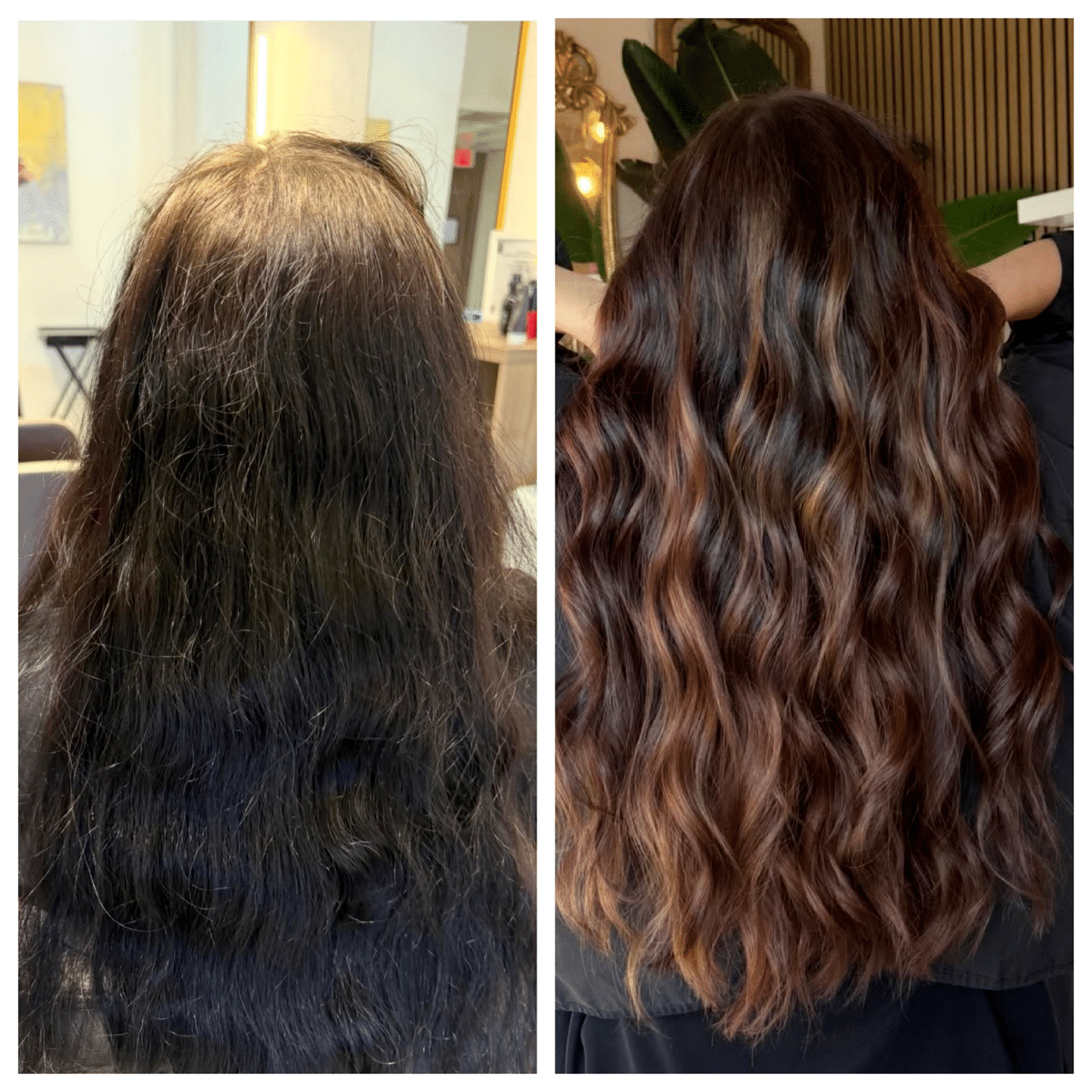
Why Hair Color Turns Patchy or Too Dark — and Why the Fix May Take More Than One Appointment Hair color can go wrong in a few different ways. Sometimes it turns too dark. Sometimes the roots and ends don’t match. Other times, certain areas grab more color and the result looks patchy, muddy, or uneven. The important thing to know is this: uneven color usually needs to be corrected based on what each area of the hair actually needs. At Salon.B in Naples, we start by looking at the color history, condition of the hair, and the result you are trying to achieve before deciding how to correct it. Make an Appointment Why Does Hair Color Turn Patchy? Different areas of the hair can react differently to color. Previously highlighted hair, porous ends, repeated permanent color, old box dye, and natural new growth can all respond differently—even when the same formula is applied. That is why a correction may require more than one formula or technique. Sometimes the roots need one thing, the mids need another, and the ends need something completely different. Why Does Hair Get Too Dark? One of the most common reasons is color buildup. If permanent color continues to be pulled through previously colored hair, the mids and ends can become darker and darker over time. You may only need gray coverage or a root touch-up, but repeatedly coloring the entire length can leave the hair looking flat, heavy, and overly dark. This is why maintaining color correctly matters just as much as choosing the right shade. Can You Just Put a Lighter Color Over It? Usually, no. Color does not simply lift previously colored hair because you choose a lighter shade. If too much artificial pigment has built up, some of that pigment may need to be reduced or removed before we can create a lighter, more dimensional result. That is where professional color correction comes in. Why Can a Correction Take More Than One Appointment? Because healthy hair matters more than forcing everything to happen in one day. If the hair has years of dark color, previous highlights, or chemical damage, trying to remove too much pigment at once can compromise the hair. Sometimes the best plan is to make a noticeable improvement at the first appointment and continue working toward the final result gradually. As stylists, we have to know when to keep going—and when the hair is telling us to stop. What If the Problem Is Uneven Highlights? Corrective color is not only about dark box dye. Highlights can also become uneven, overly bright, brassy, striped, or disconnected from the rest of the hair. Depending on what we see, the correction might involve highlights, lowlights, a root melt, toner, gloss, or a combination of techniques. There is no single formula for every correction. Hair Health Comes First A beautiful color is only beautiful if the hair still looks and feels healthy. At Salon.B, we take the condition of the hair into account before deciding how aggressively we can correct the color. When appropriate, we may also recommend professional treatments such as K18 as part of the process. Sometimes the healthiest correction takes a little longer. And that is okay. Corrective Hair Color in Naples, Florida If your color is too dark, uneven, patchy, brassy, or simply not what you expected, the first step is figuring out why. At Salon.B, we focus on realistic expectations, healthy hair, and a correction plan that makes sense for your starting point. Some corrections can be handled in one appointment. Others are a process. Either way, we would rather be honest about what your hair can handle than promise a result that is not realistic. Need Help With Your Hair Color? Corrective color is evaluated through consultation because every situation is different. If you are dealing with overly dark color, uneven highlights, patchiness, or unwanted tones, contact Salon.B in Naples to schedule a consultation. Make an Appointment Frequently Asked Questions Why did my hair color turn patchy? Different areas of the hair can absorb color differently because of previous color, highlights, porosity, damage, or buildup. Can a salon fix hair that is too dark? In many cases, yes. The process depends on how much artificial pigment is in the hair, its condition, and how light you want to go. Does color correction always take multiple appointments? No. Some corrections can be completed in one visit, while more complicated situations are safer to correct gradually. Can highlights help overly dark hair? Sometimes. Strategically placed highlights can bring dimension back into dark hair, but the hair should be evaluated first.
Can a Salon Fix Box-Dyed Hair? | Color Correction Naples FL
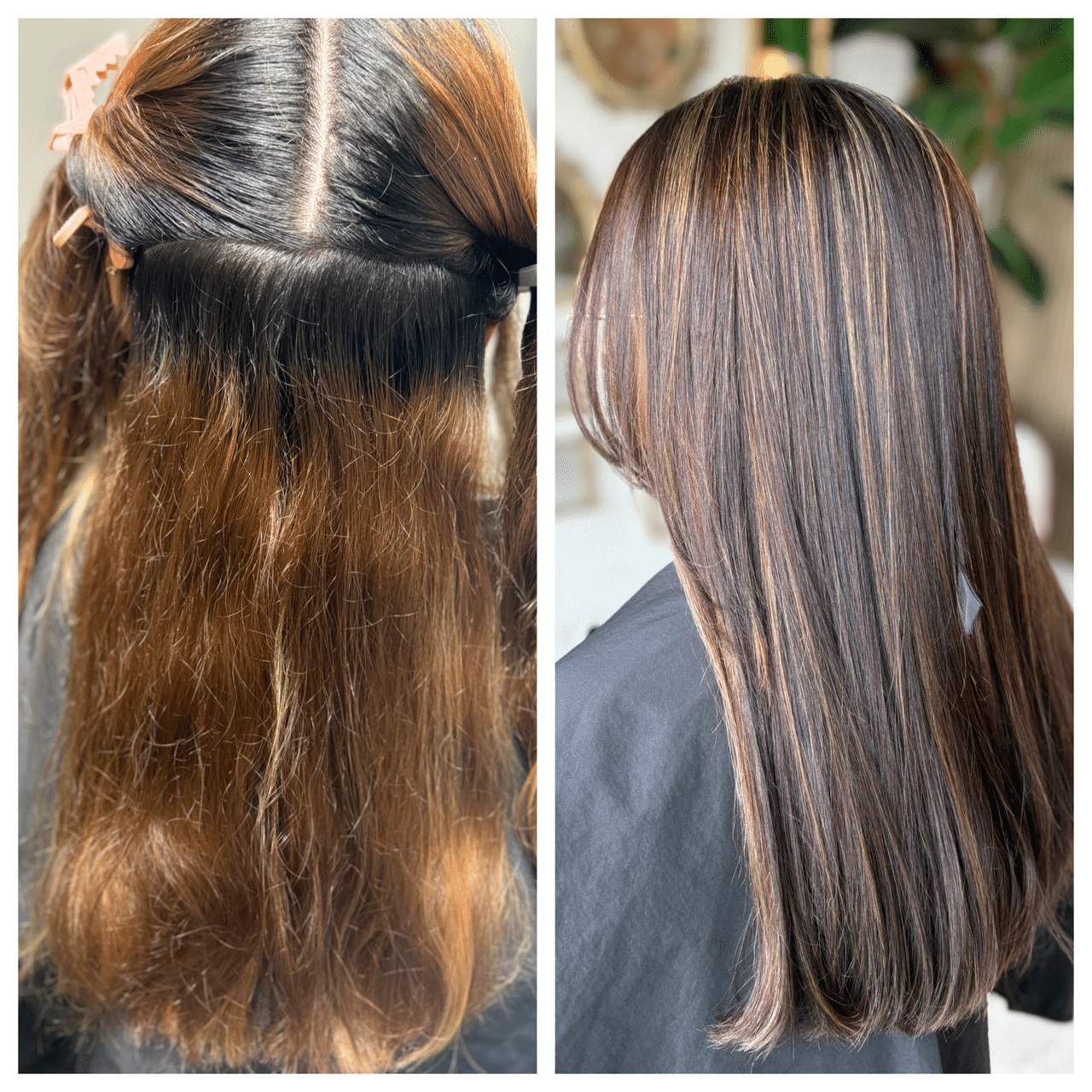
Can a Salon Fix Box-Dyed Hair? What to Expect Before a Color Correction Box dye can seem like a quick solution when you want to cover gray, go darker, refresh faded color, or make a change at home. But when the result comes out too dark, uneven, patchy, overly warm, or completely different from what you expected, fixing it usually requires more than simply putting another color over it. At Salon.B in Naples, Florida, corrective color starts with understanding what is already on the hair, what the client wants to achieve, and—most importantly—what the hair can safely handle. A color correction is not one-size-fits-all. In some cases, a significant improvement may be possible in one appointment. In others, reaching the final goal may require more than one visit. Make an Appointment Why Box Dye Can Be Difficult to Correct Box color does not know your hair history. It does not know whether your ends are porous, whether you have old highlights underneath, how much gray you have, whether certain areas have been colored repeatedly, or how your natural hair will react. That can leave clients with problems such as: Hair that looks much darker than expected Uneven or patchy color Dark bands through the mids and ends Roots that do not match the rest of the hair Unwanted red, orange, or overly warm tones Highlights that become muddy or disappear Different colors in different areas of the hair This is why applying another box color over the problem can sometimes make the correction more complicated. Can a Professional Salon Fix Box-Dyed Hair? In many cases, yes—but the first goal is not simply to make the hair lighter or change the tone. The first goal is to determine what is realistically and safely possible. During a corrective-color consultation, a stylist may need to consider: Your natural hair color Previous professional color Box color history How many times the hair has been colored Previous highlights or lightener The condition and strength of the hair Your desired result How much maintenance you are comfortable with Two clients can walk into the salon with similar-looking dark hair and require completely different correction plans because their color histories are different. Why Your Color History Matters Your stylist needs the full story—even if something was done months or years ago. Permanent color can remain in the hair long after the visible result has faded. Repeated applications can also create buildup, especially through the mids and ends. If you have used: Permanent box dye Semi- or demi-permanent color Henna or other direct dyes At-home lightener Previous highlights Root touch-up products tell your stylist during the consultation. The more information we have, the better we can plan the safest approach. And there is no judgment. We simply need to know what we are working with. Why a Color Correction May Take More Than One Appointment One of the biggest misconceptions about corrective color is that every problem can be completely fixed in a single visit. Sometimes it can. Sometimes it should not be. If removing enough artificial pigment in one appointment would compromise the condition of the hair, the better decision may be to correct it gradually. For example, a client who has repeatedly colored her hair very dark and now wants to become much lighter may need a series of appointments rather than one aggressive service. Healthy hair is always more important than forcing a result in one day. At Salon.B, we would rather create a realistic plan than promise a result the hair cannot safely support. What If Your Hair Turned Too Dark? Hair that has become too dark from box dye may need more than another color placed over it. Depending on the situation, your stylist may recommend removing or reducing some of the artificial pigment, creating dimension with strategically placed highlights, adjusting unwanted tones, or gradually transitioning the color over several appointments. The correct approach depends on what is underneath the dark color. What If Your Color Is Patchy or Uneven? Uneven color can happen when different areas of the hair absorb color differently. Porous ends may become much darker than healthier areas. Previously lightened sections may react differently from natural hair. Repeated applications can also create bands of color. Correcting patchiness often requires treating different areas of the hair differently rather than applying one formula from roots to ends. That is one of the biggest differences between professional corrective color and simply recoloring the entire head. What If Your Hair Has Unwanted Orange or Red Tones? Warmth can appear when darker artificial color is removed or when hair is lightened. The solution is not always as simple as adding an ash color. A professional colorist looks at the underlying pigment, the level of the hair, its condition, and the final goal before deciding how to neutralize unwanted warmth. Trying to repeatedly cover unwanted tones at home can sometimes create darker buildup without actually solving the underlying problem. Will You Need a Strand Test? Sometimes. A strand test can help a stylist understand how previously colored hair may respond before committing to a larger corrective service. This can be especially useful when the hair has a complicated color history, has been repeatedly colored dark, has previously been lightened, or shows signs of stress. Not every correction requires one, but there are situations where it gives us useful information before moving forward. Hair Health Comes First Corrective color is not only about what color we can create. It is also about what the hair can handle. If the hair is overly compromised, the safest recommendation may be to improve its condition first or approach the correction gradually. At Salon.B, our corrective-color plans may incorporate professional treatments when appropriate, including products such as K18, alongside the color service. The goal is beautiful color and hair that still looks and feels healthy. Why We Do Not Quote Corrective Color Over the Phone This is important. Salon.B does not give corrective-color quotes over the phone because there are too… Continue reading Can a Salon Fix Box-Dyed Hair? | Color Correction Naples FL
Haircuts for Fine Hair in Naples, FL: Stylist Recommended Cuts for Fuller-Looking Hair
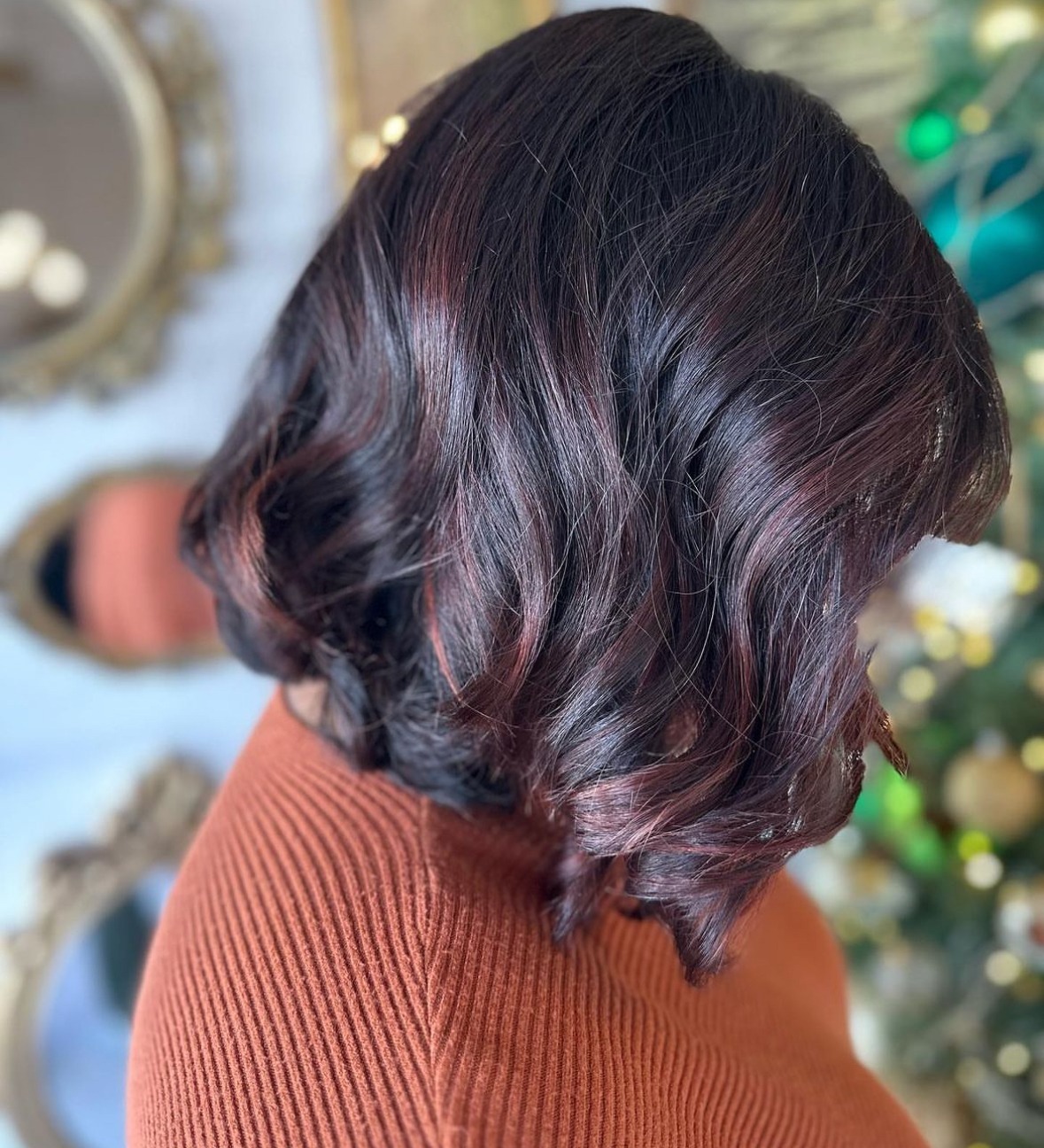
Haircuts for Fine Hair in Naples, FL: Stylist Recommended Cuts for Fuller-Looking Hair “Why does my hair always look flat, even after I style it?” We hear this all the time from clients with fine hair. And one of the first things we explain is this: fine hair doesn’t always need more product—it often needs the right haircut. At SALON.B in Naples, Florida, we look at much more than just the length you want. We consider your natural density, individual strand texture, face shape, growth patterns, lifestyle, and how much time you realistically want to spend styling your hair at home. Because the right haircut for fine hair should create shape and movement without removing the fullness you already have. Make an Appointment What Haircuts Make Fine Hair Look Fuller? When working with fine hair, where we keep weight is just as important as where we remove it. Some of our favorite haircut shapes for creating the appearance of fuller hair include: • Blunt bobs • Chin-length bobs • Softly graduated bobs • Long bobs, or lobs • Structured pixie cuts • Softly layered medium-length cuts • Face-framing with strategic, minimal layering The mistake we often see is too much layering or aggressive texturizing. Fine hair doesn’t necessarily need to be “thinned out.” In fact, removing too much hair from the ends can make it look finer and more sparse. A strong perimeter with carefully placed movement can give fine hair a much fuller appearance. Is a Bob Good for Fine Hair? Yes—a bob can be one of the best haircuts for fine hair. There is a reason we love creating precision bobs at SALON.B. By removing excess length, the hair is no longer being pulled down by its own weight. A strong baseline can also make the ends look thicker and healthier.Depending on the client’s hair, we may recommend: A blunt bob: Great for creating a stronger, fuller-looking perimeter. A softly graduated bob: Graduation underneath can create shape and support while keeping the top looking full. An angled bob: A beautiful option when you want movement and shape without sacrificing density. A textured bob: This can work beautifully when texture is added intentionally—not simply by removing a lot of weight. The best bob isn’t determined by a trend. It’s determined by your hair. Are Layers Good for Fine Hair? This is one of the biggest misconceptions we hear behind the chair. Layers are not automatically bad for fine hair. But too many layers—or layers placed in the wrong areas—can absolutely make fine hair appear thinner. When we’re cutting fine hair, we ask ourselves: Where does this client need fullness? Where does she need movement? And how much density can we safely remove? Sometimes a few soft layers around the face are enough. For another client, subtle internal layering may help create movement without sacrificing the fullness of the perimeter. And sometimes the best choice is very little layering at all. That’s why we don’t believe in using the same haircut formula on every client. Make an Appointment What Is the Best Short Haircut for Fine Hair? Short hair can be incredible on fine hair when the shape is designed correctly. A structured pixie, short bob, bixie, or cropped shape can remove unnecessary weight and help create more lift and definition. But short doesn’t automatically mean “more volume.” The haircut still needs balance. For example, on a pixie or short haircut, keeping fullness in the right areas can create softness and shape, while removing bulk in other areas can help the hair sit exactly where we want it. This is where precision cutting really matters. Your haircut should look intentional—not over-texturized or choppy just because your hair is fine. What About Medium-Length Fine Hair? If you don’t want to go short, a lob around the collarbone or shoulders can be a great option. It gives you enough length to wear your hair in different styles while removing some of the weight that can pull fine hair flat. For many of our Naples clients who want something polished but low-maintenance, we may keep the perimeter fuller and add subtle movement around the face. It gives the haircut shape without requiring a complicated styling routine every morning. Fine Hair vs. Thin Hair: They’re Not the Same Thing This is important. Fine hair describes the diameter of each individual strand. Thin hair refers to the amount or density of hair you have. You can have very fine strands and a lot of hair. You can also have thicker individual strands but lower density. That’s why asking for “the best haircut for thin hair” based only on a photo isn’t always enough. As stylists, we need to see and feel the hair, evaluate the density, see how it naturally falls, and understand how you wear it before deciding where to cut, layer, graduate, or preserve weight. A SALON.B Stylist Tip If your goal is fuller-looking hair, don’t automatically ask for more layers. Bring inspiration photos showing the overall shape and length you like, but allow your stylist to adjust that haircut for your actual hair. Sometimes taking two or three inches off and strengthening the perimeter will create more visible fullness than adding another volumizing product to your routine. The haircut is the foundation. Fine Hair in Naples Has Its Own Challenges Living in Southwest Florida also means dealing with heat and humidity for much of the year. That matters when we’re designing a haircut. A cut that looks beautiful after a professional blowout but becomes difficult to manage the moment you step into Naples humidity isn’t helping you very much. During your consultation, we want to know: How do you normally wear your hair? Do you blow-dry it every day or prefer to air-dry? Does humidity cause your hair to fall flat or become frizzy? How often are you realistically willing to maintain the haircut? These details help us create a shape that works for your hair in real life—not just in… Continue reading Haircuts for Fine Hair in Naples, FL: Stylist Recommended Cuts for Fuller-Looking Hair
Hair Extension Consultation Naples, FL
What to Expect During Your First Hair Extension Consultation in Naples, FL Thinking about hair extensions? Your consultation is where we figure out what will actually work for your hair. At SALON.B in Naples, Florida, we start by looking at your natural hair—its density, texture, condition, color and length—and then talk about what you want to achieve. Some clients want dramatic length, while others simply want fuller ends or more volume around the sides and hairline. The goal is to create a plan that looks natural, feels comfortable and makes sense for your lifestyle. Make an Appointment What Happens During an Extension Consultation? Your stylist will examine your natural hair and talk through your goals. We’ll discuss where you want more length or fullness, how much hair may be needed, and which extension method is most appropriate. This is also where we talk about maintenance, home care and what you can realistically expect from your extensions. A consultation helps us answer the most important question first: What will give you the best result without putting unnecessary stress on your natural hair? Bring Inspiration Photos Photos are always helpful. They give us a clear idea of the length, fullness, color and overall look you’re drawn to. From there, we can explain what will translate well to your own hair and customize the look rather than trying to copy someone else’s hair exactly. Which Hair Extensions Do We Offer? At SALON.B, we offer weft extensions, tape-in extensions and V-Light hair extensions. Weft Extensions Wefts are typically a good option for clients looking for more overall length and fullness. Placement and the amount of hair used will depend on your natural density and desired result. Tape-In Extensions Tape-ins can also add length and volume while allowing us to customize placement throughout the hair. They can be a great option for the right hair type and lifestyle. V-Light Hair Extensions V-Light extensions are different because they allow us to work in smaller, more targeted areas. They can be especially useful for adding fullness around areas such as the temples or hairline where a traditional extension method may not make sense. For some clients, a little strategically placed hair is all they need. Can Fine Hair Wear Extensions? Yes, in many cases—but the approach has to be thoughtful. With fine hair, we pay close attention to weight, placement and how much extension hair the natural hair can comfortably support. Sometimes a lighter application or targeted V-Light placement makes more sense than adding a large amount of hair. And if we don’t feel extensions are the healthiest option for your hair, we’ll tell you. How Do We Color Match Hair Extensions? Color matching is a huge part of making extensions look natural. We look at your base color, highlights, lowlights and overall tone before choosing extension hair. Sometimes we’ll use more than one shade to create dimension and make the extensions blend better with your natural color. The best extension work shouldn’t leave an obvious line between your hair and the added hair. How Much Do Hair Extensions Cost in Naples, FL? Hair extension pricing varies because every application is different. The final cost depends on the method, amount of hair needed, length, color, installation and ongoing maintenance. Someone adding a little fullness may need far less hair than someone looking for a major length transformation. That’s why we recommend starting with a consultation instead of trying to choose extensions based only on a price online. Once we see your hair, we can give you a much clearer idea of what you’ll need and what the investment will be. Your Extensions Should Look Like Your Hair—Just Better Whether you want more length, fuller ends or subtle volume in finer areas, extensions should enhance your hair rather than overpower it. A good consultation gives us the chance to choose the right method, amount of hair and placement before your installation. If you’re looking for a hair extension consultation in Naples, FL, SALON.B offers customized weft, tape-in and V-Light hair extensions based on your individual hair and goals. Call SALON.B to schedule your extension consultation. SALON.B – Naples, Florida Make an Appointment
The Best Haircuts for Women in Naples, FL
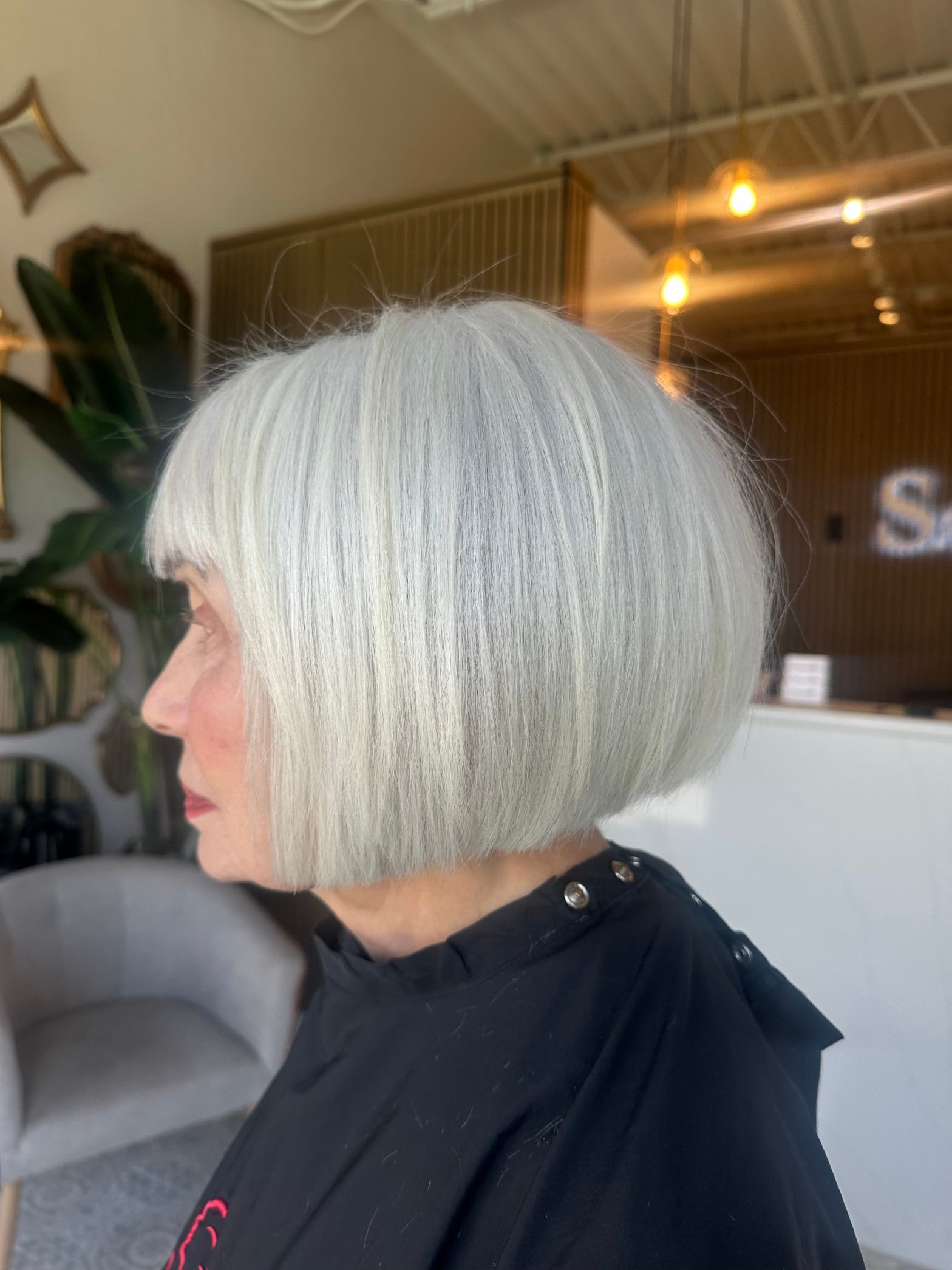
The Best Haircuts for Women in Naples, FL Modern, Flattering Styles at Every Age A great haircut should never make you feel like you’re dressing for your age.At Salon.B in Naples, we see women of every age who want essentially the same thing: hair that feels fresh, flattering, modern, and easy to wear. Some want a subtle update. Some are ready for a completely different look. And yes – most of us want our hair to make us look and feel a little more youthful.But looking younger doesn’t mean trying to look 25.It means choosing a haircut that brings movement back into the hair, complements your features, works with your texture and density, and feels current without looking like you’re trying too hard.Whether you’re searching for women’s haircuts in Naples, FL, haircuts for women over 40, a flattering style over 50 or 60, or simply a better haircut than the one you have now, the number on your birthday shouldn’t determine your haircut. Your hair should. Make an Appointment What Makes a Haircut Look More Youthful? There isn’t one magical haircut that instantly makes everyone look younger.What can make a noticeable difference is shape.As stylists, we look at where the haircut creates volume, where it removes weight, how the hair frames your face, and how the overall silhouette works with your features.Soft movement around the face can brighten the overall look. The right amount of layering can give hair more life. A beautifully shaped bob can make fine hair appear fuller. Removing excess length or heaviness can completely change how fresh someone’s hair looks.Sometimes the most youthful change isn’t dramatic at all. It may simply be adjusting the length, reshaping layers, opening up the area around the face, or giving an older haircut a more modern finish. The Best Haircut Isn’t Based on Your Age We don’t believe there’s a haircut you’re suddenly supposed to stop wearing when you turn 40, 50, 60, or beyond.If you love long hair and your hair still looks beautiful long, keep it. If you’ve always wanted a pixie, you don’t need to wait until a certain age to wear one. If a bob makes you feel incredible,wear the bob.The better question is: Does your current haircut still work for your hair, your face, and your lifestyle?Hair changes over time. Density can change. Texture can change. Gray hair may behave differently than pigmented hair. Florida humidity certainly has an opinion of its own. That’s why your haircut may need to evolve – even if your personal style hasn’t. Flattering Haircuts for Women Over 40 in Naples, FL For many women in their 40s, this is less about changing their style because of age and more about refining it. You may notice that the haircut you’ve worn for years suddenly feels heavy or doesn’t move the way it used to. Or maybe you’re simply ready for something new Some of our favorite options include: Soft face-framing layers Long layers with movement Modern bobs Textured lobs Collarbone-length cuts Precision short haircuts Soft shags and lived-in layers The important part is customizing the shape to your hair. Someone with thick, wavy hair needs a completely different approach than someone with fine, straight hair. That’s where a detailed consultation and an experienced stylist make all the difference. What About Haircuts for Women Over 50 or 60? The same rule applies: there are no age rules.Women in Naples tend to be stylish, active, social, and very aware of how they want to present themselves. Your haircut should reflect your lifestyle and personality, not an age category.We have clients in their 50s, 60s, 70s and beyond wearing beautiful bobs, pixies, shoulder-length hair, longer styles, natural curls and modern layered cuts.The goal is to find the shape that makes your hair look its best now.For finer hair, that may mean keeping a stronger perimeter so the ends appear fuller. For thick hair, it may mean strategically removing weight so the haircut moves instead of feeling bulky. For naturally curly or wavy hair, the shape needs to work with the curl pattern instead of fightingagainst it. And for someone who wants very little styling at home, the haircut needs to be designed around that reality. The Best Haircuts for Fine or Thinning Hair One of the biggest mistakes we see with fine hair is assuming that adding lots of layers will automatically create volume. Sometimes it does the opposite.If the hair is fine or has become less dense, too many layers can make the ends appear thinner. In those situations, a more structured haircut can create the appearance of fullness.A precision bob, softly layered shorter cut, lob, or carefully designed mid-length shape can all work beautifully.At Salon.B, our approach to precision haircuts in Naples, FL is about looking at the individual head of hair in front of us. Hair density Texture Growth patterns Face shape Styling routine Desired maintenance How the haircut will grow out Because two women can bring in the exact same inspiration photo and need two completely different versions of that haircut. Should You Go Shorter as You Get Older? Only if you want to.There is no rule that says women need to cut their hair short after a certain age.What does matter is proportion and condition. Sometimes very long hair can start to feel heavy, especially if the density has changed. Taking a few inches off or adding the right shape can create movement and make the hair appear healthier and fuller.Other times, keeping some length around the face is actually more flattering than going very short.This is why we don’t believe in automatic haircut rules. We believe in customizing the haircut to the woman wearing it. Low-Maintenance Haircuts for the Naples Lifestyle A beautiful haircut shouldn’t only look good when your stylist finishes it. It should work when you style it, too.Naples weather brings heat and humidity, and many of our clients want to be able to wash their hair, style it relatively quickly, and get… Continue reading The Best Haircuts for Women in Naples, FL
Ombre vs. Balayage in Naples, FL: What’s the Difference?
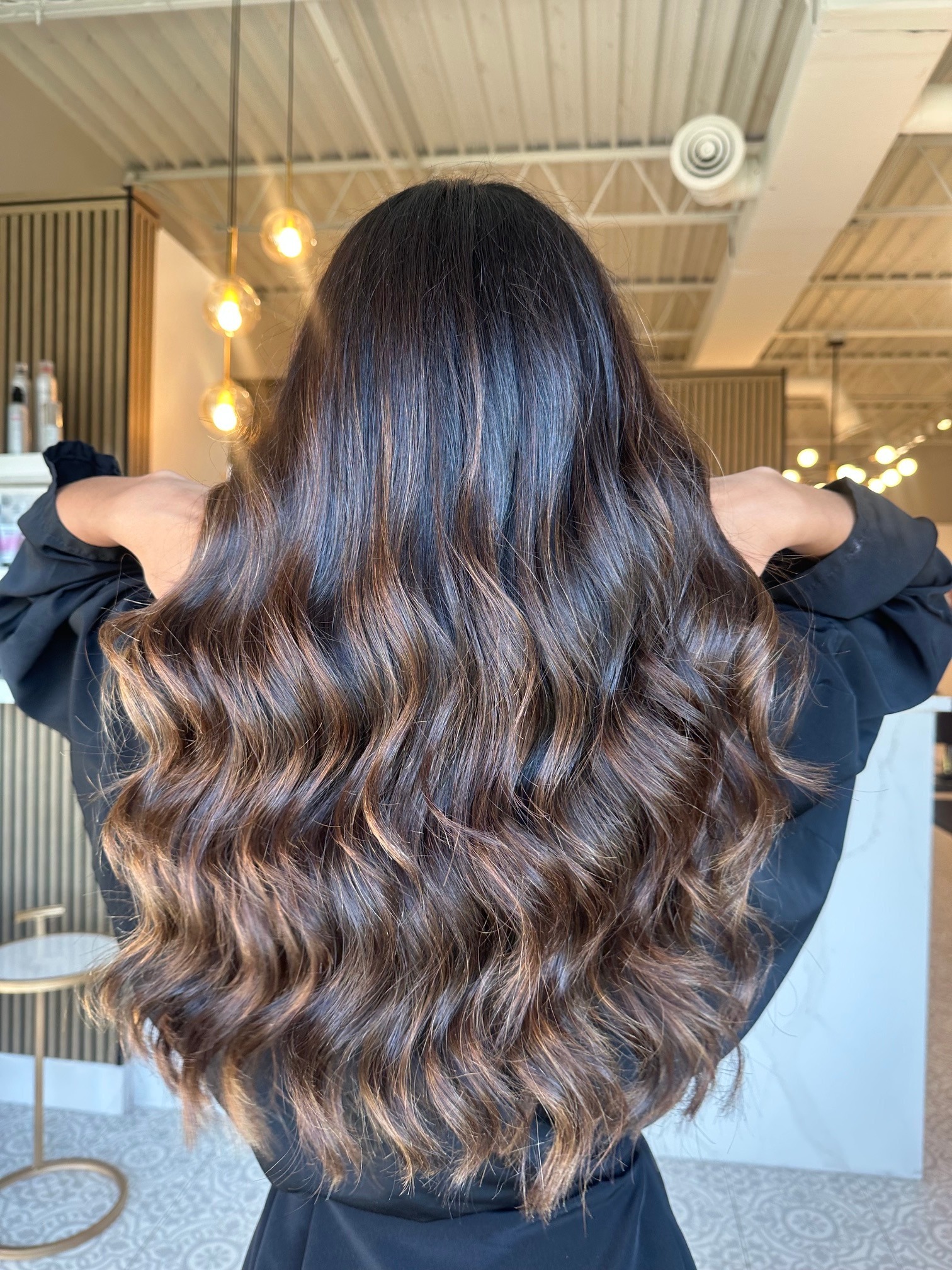
Ombre vs. Balayage in Naples, FL: What’s the Difference? If you’ve been saving hair inspiration photos and trying to decide between balayage and ombre, you’re definitely not alone. We hear this question all the time in the salon. Both techniques can give you beautiful, dimensional hair color, but they are not the same—and one may work better for your hair, lifestyle, and maintenance routine than the other. At Salon.B in Naples, FL, we never choose a color technique just because it’s trending. We look at your natural hair color, your previous color history, your haircut, your lifestyle, how bright you want to be, and—very importantly—how often you realistically want to come back to the salon. Here’s how we explain the difference to our clients. Make an Appointment What’s the Difference Between Balayage and Ombre? The easiest way to think about it is this: Balayage is a highlighting technique. Ombre is more of a color effect or gradient. With balayage, lighter pieces are strategically painted or placed throughout the hair to create dimension. We can customize where the brightness starts, how light the ends become, how much depth we leave between sections, and how much brightness we want around the face. The result can be very soft and natural or much brighter and more dramatic—it all depends on the placement. Ombre, on the other hand, usually keeps more depth through the root and upper part of the hair before gradually transitioning into lighter ends. Instead of individual dimensional pieces throughout the hair, you see more of a darker-to-lighter progression. So when a client sits in our chair and asks, “Do I want balayage or ombre?” our first question is usually: What do you want your finished color to look like? That answer matters much more than the name of the technique. Is Balayage Better for Low-Maintenance Hair Color? For many clients, yes. One of the biggest reasons balayage in Naples, FL remains so popular is because it can grow out very softly. When the lighter pieces are blended away from the scalp instead of starting directly at the root, you don’t get the same obvious regrowth line that you might see with traditional highlights. That can mean more flexibility between lightening appointments. But here’s something we always explain: low-maintenance does not mean no maintenance. Your blonde or brunette balayage may not need to be lightened every six weeks, but you may still want a gloss or toner between appointments to refresh the tone, restore shine, and keep your color looking polished. Ombre can also be relatively low-maintenance because the natural root area can remain deeper while the ends stay lighter. The best option really depends on how much contrast you like and how often you want to visit the salon. Which Looks More Natural: Ombre or Balayage? If your goal is soft, natural-looking dimension, we usually lean toward balayage. Balayage lets us place brightness where the sun would naturally hit the hair—around the face, through the mid-lengths, and toward the ends—while still leaving enough of your natural color for dimension. For a brunette, that might mean adding caramel, honey, beige, or soft brown pieces without making you feel blonde. For a blonde, it might mean creating brighter ribbons while keeping some depth so the hair doesn’t look like one solid color. That contrast between light and dark is what gives dimensional hair color movement. Ombre generally gives you a more noticeable transition. If you love a deeper root with significantly lighter ends and want that contrast to be part of the look, ombre may be a better choice. Blonde Balayage in Naples, FL When clients ask us for blonde balayage, we first talk about what “blonde” means to them. Do you want soft beige dimension? Bright blonde around your face? A lived-in blonde with a deeper root? Warm, sun-kissed pieces? Cooler blonde? Those are completely different color goals. A photo is extremely helpful, but your starting color matters too. Someone beginning with naturally light brown, untreated hair may have a very different path to blonde than someone with years of dark artificial color. That’s why the consultation is so important. Our job as stylists isn’t just to make the hair lighter. It’s to create the right blonde while protecting the condition of your hair and giving you a realistic maintenance plan. What About Brunette Balayage? Balayage isn’t just for blondes. In fact, brunette balayage in Naples can be one of the prettiest ways to add dimension without losing the richness of brunette hair. Caramel, honey, mocha, beige-brown, and lighter brunette tones can create movement while allowing the overall color to still read as brunette. This is also where customization becomes so important. Some brunettes want just enough brightness to see movement when the hair curls. Others want much brighter ends and face-framing pieces. You don’t have to become blonde to have dimensional color. Is Ombre or Balayage Better for Dark Hair? Both can look beautiful on dark hair, but the approach matters. With balayage, we can add strategically placed lighter pieces while keeping plenty of your natural or darker base visible. With ombre, we can create more contrast by maintaining darker roots and gradually transitioning toward lighter ends. But when you’re starting with very dark hair—especially previously colored dark hair—we have to consider what the hair can safely do. This is something clients don’t always see in inspiration photos. A picture might show a very dark brunette with light caramel or blonde ends, but we don’t know what that person’s starting color was, how many appointments it took, or what previous chemical services were on the hair. Your hair color history matters. Sometimes reaching your inspiration color is possible in one appointment. Sometimes the healthiest and prettiest result happens over several visits. Florida Hair Color: Sun, Humidity, Pool Water & the Beach Living in Naples changes the conversation a little. Our hair is exposed to strong Florida sun, humidity, heat, swimming pools, salt water, and frequent washing—all… Continue reading Ombre vs. Balayage in Naples, FL: What’s the Difference?
Fall Hair Color in Naples, FL: Rich Brunettes, Caramel Dimension & Glossy Color
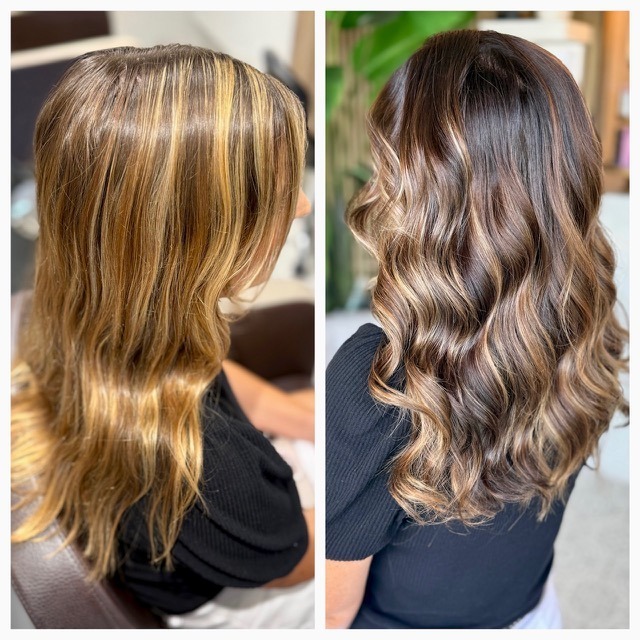
Fall Hair Color in Naples, FL: Rich Brunettes, Caramel Dimension & Glossy Color Living in Naples, we may not get the crisp fall weather everyone else does, but that doesn’t mean our hair has to stay in summer mode. By the end of summer, we see a lot of clients come into the salon feeling like their color has gotten a little too light, too warm, faded, or just flat from months of Florida sun, pool water, beach days, and highlighting.Fall is one of our favorite times to make a subtle shift.And that doesn’t necessarily mean going dark.For many of our clients at Salon.B, the best fall hair color is about bringing richness and dimension back into the hair—adding depth where it has become overly light, warming up the right pieces,refreshing the tone, and creating a color that looks expensive, healthy, and intentional. Make an Appointment What Hair Colors Are Trending for Fall 2026? This fall, we’re seeing a move toward softer, richer color. Espresso brunette Chocolate brown Hazelnut brunette Caramel and toffee dimension Honey brunette Bronde Warm chestnut Subtle copper-brown tones Rich brunette with soft face-framing highlights The biggest difference is that these colors aren’t meant to look like heavy stripes of highlights. The goal is dimension. You want to see movement when the hair moves, richness through the base, and lighter pieces placed where they actually complement the haircut, skin tone, and natural color. As hairstylists, this is where customization really matters. Two clients can both ask for “caramel brunette” and leave with completely different formulas because their starting color, skin tone, gray percentage, previous color, and maintenance expectations are different. What Is Dimensional Brunette Hair Color? Dimensional brunette simply means your brown hair isn’t one solid color from roots to ends. We may use a combination of lowlights, highlights, balayage, root color, toners, demi permanent color, or glosses to create different levels and tones throughout the hair.But dimension does not always mean going lighter. Sometimes the best thing we can do to a brunette who has been highlighted all summer is actually put some depth back in. When too much of the natural brunette disappears, the hair can start looking blonde on the ends with a dark root instead of looking like a dimensional brunette. Adding strategically placed lowlights or deeper pieces can completely change that. Suddenly your lighter pieces look brighter because they have something to contrast against. That’s one of those things we explain in the salon all the time: sometimes adding darker color actually makes your highlights look better. Espresso Brunette: A Richer Look Without Losing Dimension Espresso brunette is beautiful for clients who love darker hair but don’t want their color to look heavy or flat. Instead of applying one dark shade everywhere, we can keep very subtle differences throughout the hair so the brunette still reflects light and has movement. For some clients, that may mean a deeper root with slightly lighter brunette through the mid lengths. For others, we may add extremely soft highlights or ribbons only one or two levels lighter than the base. The result should still read as brunette—just a richer, shinier version of it.This is a beautiful option for someone searching for brunette hair color in Naples, FL who wants a noticeable change without becoming blonde. Caramel Brunette Is Perfect for Transitioning Summer Highlights Into Fall If you’ve been blonde or heavily highlighted through the summer, you don’t necessarily have to cover everything up when fall arrives. Caramel, honey, toffee, and warm beige tones can transition brighter summer hair into a softer fall look. We can keep some of your brightness around the face while adding deeper pieces through the rest of the hair. This is one of our favorite ways to create a dimensional brunette because you get the best of both worlds: you still feel bright, but your hair has depth again. It can also create a softer grow-out than continuing to highlight every section of the hair over and over again. Should You Add Lowlights for Fall? Not everyone needs lowlights, but they can be a game changer for the right client.We especially consider lowlights when: Your highlights have become too blonde overall You no longer see your natural depth Your ends look significantly lighter than the rest of your hair Your color feels washed out You want your blonde pieces to stand out more You want to transition toward a richer brunette You want less of a solid highlighted look Placement is important.We don’t want to put dark pieces everywhere just because it’s fall. Lowlights should have a purpose and work with your existing hair color.That’s where an experienced color consultation makes the difference. Do You Always Need More Highlights to Refresh Your Color? No—and this is probably one of the biggest misconceptions we see behind the chair.Sometimes a client comes in saying, “I need my highlights done,” when what she’s really noticing is that her color has lost its tone and shine.She may not actually need more lightener.A professional gloss or demi-permanent color can sometimes be exactly what the hair needs.At Salon.B, we work with Wella Professional Hair Color, including options such as Color Touch and SHINEFINITY, depending on what we’re trying to accomplish.Color Touch can be a great option when we want to refresh tone, add richness or create beautiful brunette dimension without automatically committing to another permanent-color service.SHINEFINITY can be used when the goal is beautiful shine and a tonal refresh without lifting the natural hair.The right choice depends on your existing color and what we’re trying to achieve. Brunette Balayage vs. Traditional Highlights Both can create beautiful dimension, but they give us different results.Traditional foils allow us to control exactly how much lift we create and where we create it.Balayage can give a softer, more diffused effect depending on the client’s starting color and desired result.For a fall brunette, we may even combine techniques.For example, you might need a few brighter pieces around your face, lowlights through overly blonde areas,… Continue reading Fall Hair Color in Naples, FL: Rich Brunettes, Caramel Dimension & Glossy Color